ADHD in Adults: Late Diagnosis, Emotional Dysregulation, and What Therapy Can Do
Caring for aging parents while raising kids can leave you overwhelmed and exhausted. Learn practical ways to manage sandwich generation…

Neurodivergence is experienced differently by everyone. You may recognize some of these experiences, or have needs and strengths that look quite different.
Feeling misunderstood or having to explain yourself
Differences in communication, attention, or expression may be misread by others, leaving you feeling judged or not fully seen.
Overwhelmed by environments or expectations
Noise, lighting, transitions, uncertainty, or competing demands can make school, work, or everyday activities draining.
Exhausted from masking or trying to fit in
Trying to hide natural responses or meet social expectations may take enormous energy, even when everything looks fine on the outside.
Experiencing overload, shutdown, or burnout
When demands exceed available capacity, it can be difficult to regulate, communicate, recover, or explain what you need.
Wanting connection but encountering misunderstandings
Different communication or social styles can sometimes complicate friendships, family relationships, and a sense of belonging.
Finding that usual advice or therapy doesn’t fit
Strategies that work for others may overlook your sensory, processing, or communication needs, leaving you feeling frustrated or discouraged.
You don’t need to identify with every experience—or have a formal diagnosis—to seek support.
Many neurodivergent people spend considerable energy adapting to environments that weren’t designed with their needs in mind. Affirming counselling starts by listening to how you experience the world. Together, we explore what supports safety, comfort, connection, and well-being—without asking you to become someone else.
Progress doesn’t have to mean changing who your child is. It can mean helping them feel more capable, connected, and understood.
Understand your needs and strengths, with less pressure to hide differences or measure yourself against others.
Recognize what contributes to overload and find supportive ways to manage demands, sensory needs, and recovery.
Communicate in ways that feel authentic and build relationships that make room for differences.
Develop boundaries, self-advocacy, and practical ways to seek accommodations and support.
Neurodivergence encompasses a range of differences, including autism, ADHD, learning differences, and other neurodevelopmental variations. Some people identify with more than one; others are exploring what fits their experience. Counselling responds to the individual, not assumptions about a label.
Our approach is neurodivergent-affirming, developmentally and neurocognitively informed, and attentive to the connection between mind, body, relationships, and nervous system. Depending on individual needs and therapist training, counselling may integrate adapted cognitive and behavioural strategies, somatic awareness, nervous-system-informed support, and attachment-informed, trauma-sensitive care. Creative, expressive, or play-based approaches may be appropriate for children and teens.
We consider communication preferences, pacing, sensory needs, and emotional safety, adapting therapy to the person rather than expecting the person to adapt to a single model. Trauma-informed care does not mean that neurodivergence is caused by trauma.
We look beyond behaviours to understand your child’s developmental needs, relationships, strengths, and everyday experiences.
We respect differences in communication, sensory experience, identity, and emotional expression without treating them as shortcomings.
We consider cognition, relationships, emotional well-being, and nervous system needs, adapting approaches where appropriate.
We recognize that needs vary across life stages and that supportive relationships and environments matter.
Our aim is a collaborative therapeutic experience in which you feel heard, respected, and supported in ways that fit your life.
Neurodivergent-Affirming Counselling is a collaborative process. Here’s what typically happens:
We explore your communication preferences, sensory experiences, processing style, strengths, and challenges. For children under 12, we begin with an initial parent session.
We consider pacing, communication, sensory needs, and preferred ways of engaging. Counselling may incorporate adapted cognitive, somatic, creative, or nervous-system-informed strategies as appropriate.
We support emotional well-being, communication, boundaries, and practical strategies while helping you recognize your needs and navigate everyday life more comfortably.
Practical insights and expert guidance.
Caring for aging parents while raising kids can leave you overwhelmed and exhausted. Learn practical ways to manage sandwich generation…

When traditional therapy doesn't work for a neurodivergent brain, the fit may be the problem. Learn what neurodivergent-affirming therapy can…
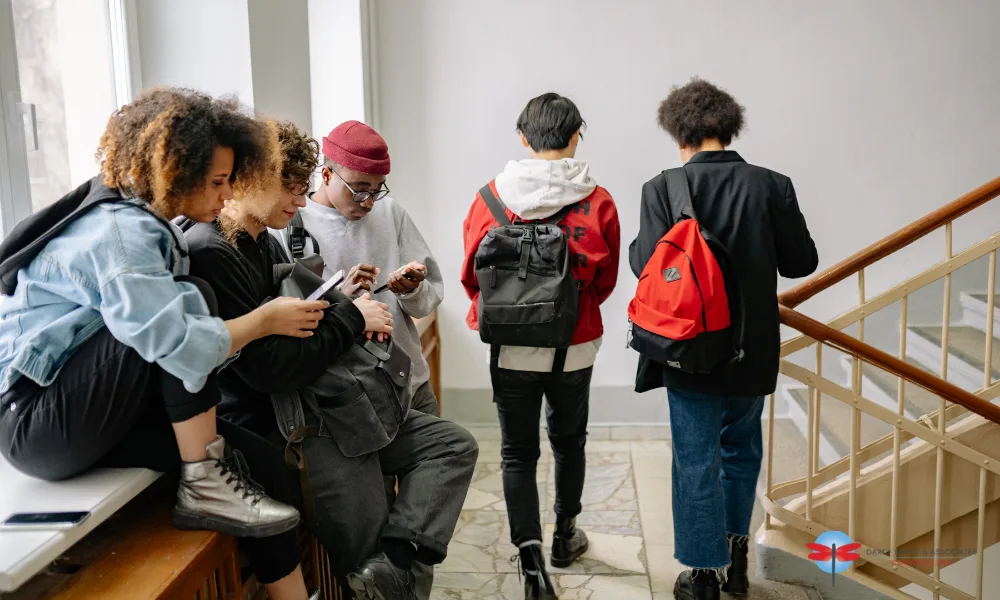
Adolescence is a critical time for identity and belonging. Learn why teens feel pressure to fit in and how parents…
Find answers to your questions about neurodivergent-affirming counselling.
It recognizes neurological and developmental differences as part of human diversity. Therapy focuses on understanding individual needs, reducing distress, and supporting well-being—not making someone appear more typical.
Children, teens, and adults who identify as neurodivergent or are exploring possible differences, including autism, ADHD, and other neurodevelopmental variations. Support is tailored to the person, not a diagnostic category.
No. You can seek support for overwhelm, relationships, emotional distress, identity, or everyday challenges without a diagnosis. If you’re interested in assessment, your therapist can discuss referral options.
Affirming care considers sensory and communication preferences, processing time, environmental demands, and collaboration. Therapists may adapt session structure and established therapeutic approaches to make care more accessible.
Counselling can help you understand the impact of masking, identify sources of overload, support recovery, and explore choices that feel sustainable. There is no expectation that you must unmask in every setting.
For children under 12, we begin with an initial parent session. For teens, parent involvement is balanced with privacy, autonomy, and the therapeutic relationship, according to age and needs.
Whether you’re seeking counselling for yourself or someone you love, you deserve support that respects individual differences and recognizes your experience. We’re here to help children, teens, adults, and families move toward greater understanding, connection, and emotional well-being.