Every relationship gets to that point where they get stuck. The point where communication no longer feels the same, or life just becomes two people living together but drifting apart.
When things get this way, couples who are still intentional are always curious to know if marriage counselling still works.
Yes, it does.
But the most significant answer depends on a few important factors like your goals, your timing, and how willing you both are to put in the effort.
What’s marriage counselling? Why do couples try it? How does it work? How can you decide if it’s the right step for you and your partner? These questions will be answered in subsequent paragraphs. Read on:
What Is Marriage Counselling?
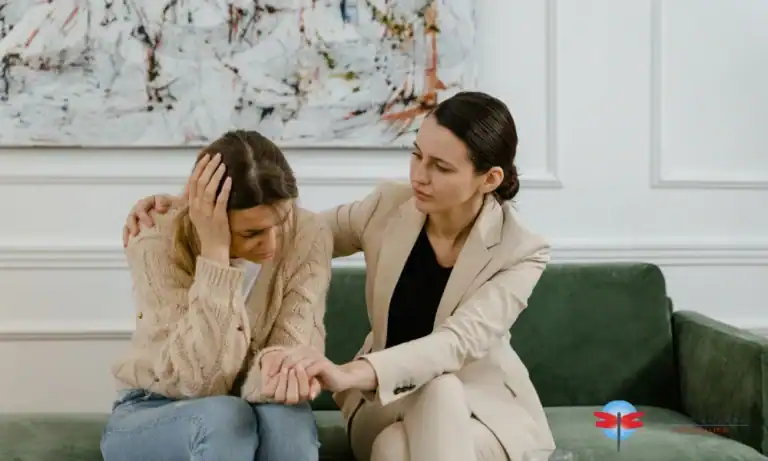
Firstly, you must understand that going to counseling doesn’t mean your relationship is sinking. It actually means the opposite. It shows that you both are still invested and open to finding a healthier way forward.
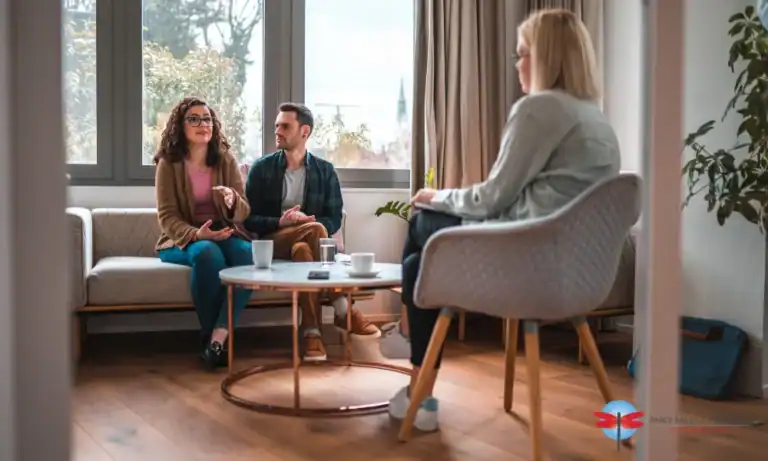
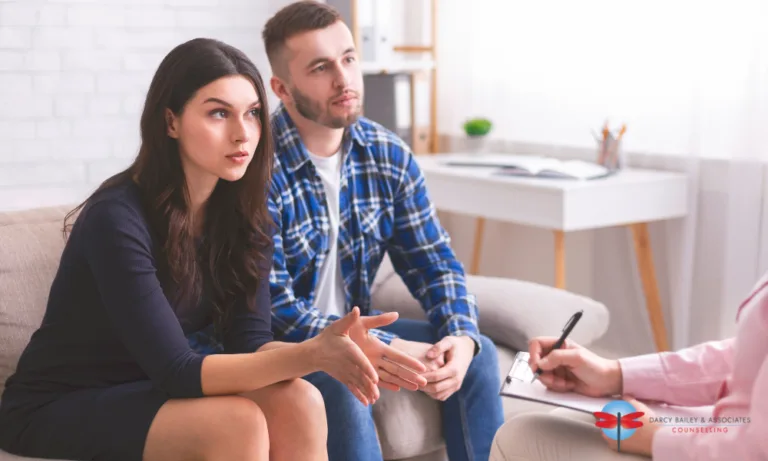
Marriage counselling (also called couples therapy) is a process where a trained therapist helps two people understand and improve their relationship. You can think of it as a guided, structured conversation with someone who isn’t biased.
The therapist’s job is to help you both:
- Communicate more clearly
- Understand each other’s perspectives
- Work through recurring issues or tension
- Rebuild connection, trust, and intimacy
Speaking with a therapist doesn’t mean there’s a sudden solution to your marriage problems. They will only work with you, guide you and create a safe space where you both can explore what’s going on beneath the surface of your marriage.
Why Do Couples Go to Counselling?
Couples in Langley seek counselling for all sorts of reasons — from emotional disconnection to ongoing conflict or broken trust.
No two couples are ever the same, but there are some common reasons couples go for counselling. These are some of the reasons:
- Constant arguing or avoiding tough conversations that cause anxiety
- Struggles with communication or emotional disconnection
- Infidelity or broken trust
- Issues around parenting, finances, or blended families
- Loss of intimacy whether emotionally or physically
- Feeling like roommates instead of partners
Even the strongest of relationships go through rough times. Counselling isn’t a sign of weakness, it’s a sign that you’re choosing to try instead of giving up.
So, Does It Actually Work?
Yes, it works.
Research shows that many couples see real improvement after counseling. In fact, according to the American Association for Marriage and Family Therapy, around 70–80% of couples report that they experience better relationships and communication after going through therapy.
Of course, the results are different. But success depends on:
- How early you seek help (don’t wait until things are falling apart!)
- Whether both partners are open and committed to the process
- The connection you have with your therapist
- Your willingness to make real changes, even if they’re uncomfortable
The sooner couples reach out for support, the better the outcome tends to be.
What to Expect in Marriage Counselling
Walking into your first session can feel awkward or even uncomfortable, especially if you’re not sure what to expect. Here’s what usually happens during this process:
-
Getting to Know You Both
Your therapist will ask about your relationship history, major stress points, and what brought you in. This helps them get a feel of what’s going on in your relationship.
-
Setting Goals
What do you both want out of counseling? More connection? Less fighting? Clarity on whether to stay together? Setting shared goals gives therapy direction.
-
Structured Conversations
You’ll work on skills like active listening, expressing needs without blaming the other person, and staying calm during conflict. You might feel vulnerable, but that’s where real growth begins.
-
Homework Between Sessions
Your therapist may give your exercises to try at home, like trying a new way to resolve conflict. Some sessions may involve individual time with the therapist, but most are joint conversations. The vibe should feel neutral, supportive, and safe for both of you.
Tips to Make Counselling More Effective
Here’s how you can get the most out of a counselling session.
- Be honest, even when it’s uncomfortable. Healing starts with truth.
- Don’t go in expecting your partner to “get fixed.” You’re both part of the dynamic and being open to this responsibility is part of the change process.
- Give it time. Change doesn’t happen in one or two sessions.
- Stay consistent. Even if progress feels slow, stick with it.
- Sometimes it feels ‘harder’ but this is often an indication that important inner work is being done, which will serve the relationship.
- Practice what you learn. The real transformation happens between sessions.
Most importantly, show up with curiosity, not judgment. That alone can shift the energy in your relationship.
Conclusion
The fact you even considered marriage counselling means that you still want things to work. Relationships aren’t always easy, but they can be worth fighting for.
Counselling offers a space to pause, reflect, reconnect and reset. At the end of the session, you might leave a stronger couple or just more self-aware individuals, but there’s always something valuable in the process.
If you’re based in Langley and considering counselling, now might be the time to take that first step toward a stronger relationship.
FAQs
-
What if my partner doesn’t want to go?
It’s common for one partner to feel hesitant. You can still start therapy on your own, sometimes it might lead to insight and tools that benefit the relationship. Sometimes, your willingness to go first encourages your partner to join later.
-
How many sessions does it take?
Some couples feel a shift after 6–10 sessions. Others, especially those with deeper wounds or long-term patterns, may continue for several months.
-
Can counselling help after infidelity?
Yes, it can. Rebuilding trust after betrayal is hard, but it is absolutely possible. Many couples report healing and their relationship even growing stronger, with the right support and consistent, honest and committmed work.
-
Is online marriage counselling effective?
Virtual therapy has become more common and can be just as impactful as in-person sessions. Plus, it’s convenient and accessible, especially for busy couples or long-distance partners.