Social Media, Self-Worth and Your Teen: What the Research Actually Shows

Social Media Is Now Part of Growing Up

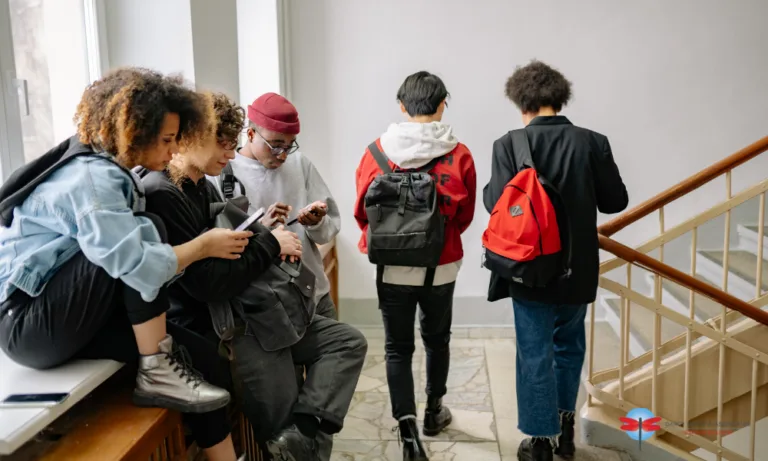
For today’s teenagers, social media is woven into everyday life. Platforms like Instagram, TikTok, Snapchat, and YouTube shape how teens communicate, build friendships, and express themselves.

If you are a teen reading this, social media may feel like one of the main ways you stay connected with friends. It may also be where you explore your interests, share ideas, or see what others are doing.

If you are a parent or caregiver, social media can sometimes feel confusing or even concerning. Many adults wonder how these online spaces influence confidence, emotional health, and identity development.

The reality is more complex than labeling social media as either good or bad. Digital platforms can create connection, creativity, and community. At the same time, they can also increase comparison, pressure, and emotional stress for some teens.

Understanding how social media interacts with the developing adolescent brain helps teens and adults navigate it more thoughtfully.

If you are a teen reading this, it is important to remember that social media is only one part of your life. It may feel important, but it does not define who you are.

If you are a parent reading this, it may help to remember that social media is not separate from your teen’s social world. In many ways, it is part of their social environment. Understanding it helps you guide rather than simply restrict.

Why Social Media Feels So Powerful for Teens

Adolescence is a stage when belonging and social feedback become especially important. The teenage brain becomes more sensitive to how others respond to them, both in person and online.

When a teen receives likes, comments, or messages, the brain’s reward system releases dopamine. Dopamine is linked to pleasure and motivation. It reinforces behaviors that bring social approval.

This is one reason notifications and interactions can feel so compelling.

At the same time, the adolescent brain is still developing the systems that regulate impulses and emotional reactions. This can make it harder to step back and evaluate what is being seen online.

Understanding this does not mean social media is harmful. It simply means it is designed to capture attention.

Some teens find it helpful to ask themselves simple questions:

  • Am I using social media to connect or just to scroll?
    • How do I usually feel after spending time online?
    • Does this account inspire me or make me feel worse about myself?

These small moments of reflection help teens stay aware of how technology affects them.

If you would like to understand more about how brain development shapes teen emotions and decision making, you may find it helpful to read our guide
“What’s Actually Going On Inside the Teenage Brain: A Guide for Teens and the Adults Who Love Them.”

The Comparison Effect

One of the most widely studied effects of social media is social comparison.

Online spaces often present carefully curated moments of people’s lives. Photos, achievements, vacations, and celebrations are shared more often than everyday struggles or disappointments.

For teens who are still developing their sense of identity, this constant exposure can create unrealistic expectations.

A teen might see images of friends who appear confident, popular, or successful and begin to question their own worth or belonging.

Research shows that frequent comparison can increase anxiety and lower self-esteem for some teens.

It can help to pause and remember something simple.

If you are a teen reading this, it can be helpful to ask yourself a simple question when comparison shows up.

Would I measure my best friend’s value this way?

If the answer is no, it is worth remembering that the same kindness should apply to you.

Identity, Belonging, and the Online World

Adolescence is a stage when young people are trying to understand who they are and where they belong.

Online spaces can play a role in that process. Social media can introduce teens to new ideas, communities, interests, and creative expression.

For some teens this can be empowering. They may discover friendships or communities that make them feel understood.

At the same time, the desire to belong can sometimes lead teens to shape their identity around what receives approval rather than what feels authentic.

Learning to balance belonging with authenticity is an important part of adolescent development.

If you would like to explore identity development in adolescence more deeply, you may find our article helpful:
“Identity, Belonging and the Pressure to Fit In: How Adolescents Form Their Sense of Self.”

Signs Social Media May Be Affecting Your Teen’s Mental Health

Social media is not automatically harmful. Many teens use it in healthy ways. However, there are times when online experiences begin to affect emotional well-being.

Parents may notice signs such as:

  • Increased anxiety or irritability after being online
    • Constant comparison with peers or influencers
    • Difficulty putting the phone down
    • Trouble sleeping due to late night scrolling
    • Withdrawal from in-person friendships or activities
    • Strong emotional reactions to online interactions

If these patterns become frequent, it may signal that social media is affecting a teen’s stress levels or self-esteem.

Approaching these concerns with curiosity and calm conversation often helps teens feel safer opening up about what they are experiencing.


Finding a Healthy Balance with Social Media

Most teens do not want to eliminate social media completely. What they often want is to enjoy it without feeling controlled by it.

Healthy balance can begin with three simple shifts.

Connection over comparison
Spend more time interacting with friends and people you care about instead of scrolling through strangers’ lives.

Creation over consumption
Using social media to share ideas, creativity, humor, or interests often feels more positive than passively consuming content.

Real life still matters
Sports, hobbies, music, art, conversation, and time with friends build the kinds of experiences that strengthen identity and confidence.

Many teens notice that when their real world becomes fuller, the pressure from social media becomes smaller.


When Teens Need Additional Support

Sometimes social media pressures combine with other stressors such as school expectations, friendship struggles, or anxiety.

When this happens, teens may benefit from having a safe space outside the family to explore their thoughts and emotions.

Counselling can help teens:

Strengthen confidence and self-worth
Teens begin to recognize their strengths, values, and identity outside of online approval.

Develop emotional regulation skills
They learn practical ways to manage stress, comparison, disappointment, and social conflict.

Build a healthier relationship with technology
Instead of feeling controlled by social media, teens develop awareness about how it affects their mood and learn to create boundaries that support their well-being.

Parents can also receive guidance on how to support their teen while maintaining trust and open communication.

At Darcy Bailey & Associates Counselling, our therapists work with teens and families navigating the emotional challenges of growing up in a digital world.

Helping Teens Build Confidence in a Digital World

Social media is likely to remain part of modern adolescence. The goal is not to eliminate it but to help teens develop the awareness and resilience needed to navigate it.

For teens reading this, your life is much bigger than your online profile. Your friendships, your creativity, your kindness, and the experiences you have in the real world matter far more than any number of followers or likes.

For parents, staying curious and connected makes a powerful difference. Teens benefit most from adults who are willing to understand their world while helping them stay grounded in what truly builds confidence and resilience.

When teens feel supported, understood, and encouraged to develop their authentic identity, they are better equipped to navigate both the digital world and the real one.

FAQ: Social Media, Teen Self-Worth, and Mental Health

How does social media affect teen self-esteem?

Social media can affect teen self-esteem by increasing comparison, pressure to fit in, and sensitivity to social feedback. For some teens, online approval can become closely connected to self-worth.

Why are teens so affected by likes, comments, and notifications?

During adolescence, the brain becomes highly sensitive to social feedback and reward. Likes, comments, and notifications activate the brain’s dopamine system, which can make social media feel emotionally powerful and hard to ignore.

Is social media bad for teenagers?

Social media is not automatically harmful. It can provide connection, creativity, and community. However, excessive comparison, online pressure, or unhealthy usage patterns can negatively affect emotional well-being for some teens.

What are signs social media may be affecting a teen’s mental health?

Signs may include increased anxiety, irritability after being online, constant comparison with others, difficulty putting the phone down, sleep disruption, withdrawal from in-person activities, or strong emotional reactions to online interactions.

How can teens build a healthier relationship with social media?

Healthy social media habits often involve focusing more on connection than comparison, creating rather than only consuming content, and balancing online time with real-world experiences, relationships, hobbies, and activities.

How can parents support teens with social media use?

Parents can help by staying curious instead of judgmental, having open conversations about online experiences, modeling healthy technology habits, and helping teens reflect on how social media affects their mood and confidence.

Why does social comparison affect teenagers so strongly?

Teens are still developing their sense of identity and belonging. Constant exposure to curated images and lifestyles online can create unrealistic expectations and increase feelings of inadequacy or self-doubt.

Can counselling help teens struggling with social media anxiety or self-worth?

Yes. Counselling can help teens strengthen self-esteem, develop emotional regulation skills, build healthier technology boundaries, and better understand the connection between online experiences and emotional well-being.


Author Line

Co-written by Julie Sprague, M.A.C.P., RCC, and Darcy Bailey, MSW, RSW, RCC, Dip.AT
Darcy Bailey & Associates Counselling, Langley, BC


About the Authors

This article was co-written by Julie Sprague, M.A.C.P., RCC, and Darcy Bailey, MSW, RSW, RCC, Dip.AT, therapists at Darcy Bailey & Associates Counselling in Langley, BC.

Julie Sprague is a Registered Clinical Counsellor who works with adolescents, adults, couples, and families experiencing stress, anxiety, or disconnection in their relationships. Julie’s approach is warm, relational, and practical, integrating evidence-based strategies with compassion and curiosity. She helps clients slow down, reflect, and reconnect with their strengths, creating lasting change through greater awareness and emotional balance. Her inclusive, trauma-informed style supports growth and connection for every stage of life.

Darcy Bailey is the Clinical Director and founder of Darcy Bailey & Associates Counselling. She is a Registered Social Worker, Registered Clinical Counsellor, and Art Therapist with over twenty-five years of experience supporting individuals and families across British Columbia.

👉 Learn more about Julie’s counselling approach

Recent Posts